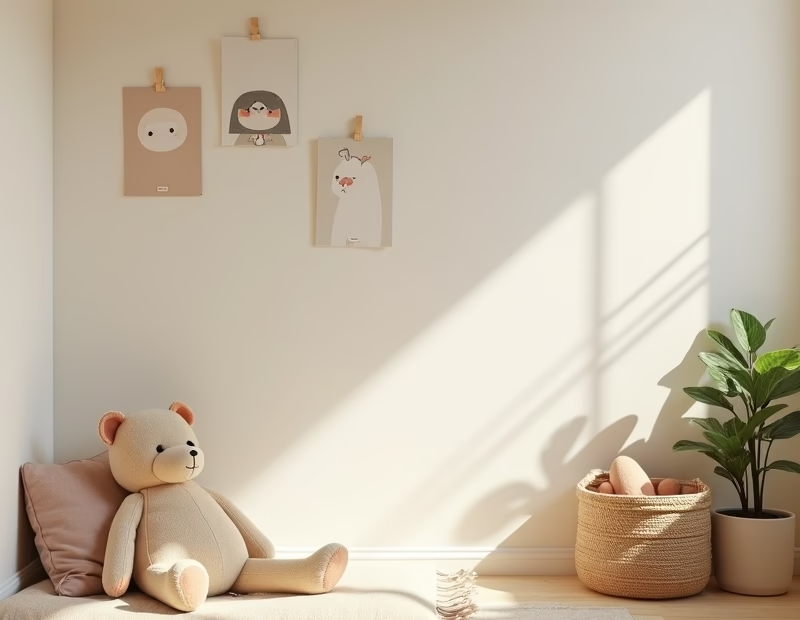
Include a soft place to sit, a few simple sensory or comfort items, visual supports like a calm down corner printable, and 2 to 5 easy calming choices your child already knows how to use. Keep the space quiet, uncluttered, and supportive rather than full of toys.
What a calm-down space is really for
A calm-down space is a small area where a child can go to feel safer, calmer, and more in control. It helps them pause, reconnect with their body, and use simple tools that support emotional regulation. For some children, that might mean sitting quietly with a pillow. For others, it might mean squeezing a soft toy, taking a few deep breaths, or looking at a feelings chart.
The main purpose is not to make feelings disappear quickly. It is to give the child a steady place and a few clear options. This is why a calm-down space usually works best when it is simple and familiar.
If you are looking for more practical family resources, you can also browse the tools and printables section for supportive materials you can use at home.
The most helpful things to include in a calm-down space
1. A clear, comfortable spot to sit
Start with the basics. A child needs a spot that feels physically comfortable and easy to use. This could be:
- a floor cushion
- a bean bag
- a small rug
- a soft chair
- a corner with a blanket and pillow
You do not need a special setup. What matters most is that the child knows, “This is my calm place.”
2. One or two comfort items
Comfort items can help a child feel grounded. Choose just a couple so the space does not become crowded. Examples include:
- a favourite stuffed animal
- a small blanket
- a soft pillow
- a family photo
These items work best when they are familiar and soothing, not exciting or distracting.
3. A calm down corner printable
A calm down corner printable can make the space much easier for children to use. Visuals help children remember what their options are, especially when they are upset and words are harder to process.
Useful printable ideas include:
- a feelings chart with simple facial expressions
- a “what can I do now?” choice board
- breathing prompts
- steps such as stop, breathe, squeeze, sit, ask for help
- simple calming cards with pictures
For younger children, keep the visuals large and clear. For older children, simple written prompts may be enough.
4. A small set of calming tools
Choose a few tools your child can use independently or with light support. Good options include:
- a stress ball
- a sensory ring
- a smooth stone
- a pop-it or quiet fidget
- a pinwheel for slow breathing
- a small bottle with glitter or beads
Not every child likes sensory tools, so pay attention to what actually helps. If an item becomes a toy or causes more stimulation, it may not belong in the space.
5. Easy breathing or body prompts
Children often need very simple guidance. Instead of saying, “Go calm down,” it helps to show how. You can include prompts such as:
- Smell the flower, blow out the candle
- Take three slow breaths
- Push your hands together
- Hug your knees
- Count to five slowly
These can be written on cards or shown with simple pictures. The best prompts are the ones you practise outside stressful moments.
6. A feelings check-in tool
Many children calm more easily when they can name what they feel. A basic feelings chart, feelings wheel, or colour scale can help. You might use:
- happy, sad, angry, worried, frustrated, tired
- a colour system such as green, yellow, red
- a “my body feels” chart with clues like tight fists or fast breathing
This does not need to be complicated. Even two questions can help: “What am I feeling?” and “What do I need?”
What to leave out
It can be tempting to fill the space with lots of cute items, but too much can make it harder to use. In most homes, less works better.
Try not to include:
- too many toys
- loud or flashing items
- messy art supplies if the space is meant for quick calming
- punishment language such as “time out corner”
- too many instructions at once
If the area starts to feel like a play zone, your child may not connect it with calming. If it feels like a punishment space, they may avoid it altogether.
How to choose items by age
Babies and very young toddlers
For very young children, a calm-down space is more about co-regulation than independent calming. They usually need an adult close by. Keep it simple:
- soft mat or blanket
- one comfort object
- gentle books
- quiet sensory item
At this age, your calm voice and steady presence matter most.
Toddlers and preschoolers
This age group often benefits from visuals and clear routines. Try:
- a cushion or small chair
- a calm down corner printable with pictures
- one or two fidgets
- breathing cards
- a feelings chart
Keep choices limited. Two or three calming options are often enough.
School-age children
Older children may like a bit more privacy and ownership. Consider:
- a comfortable seat
- journal paper or a small notebook
- written coping cards
- headphones for quiet audio if used intentionally
- a checklist such as breathe, sip water, stretch, ask for a hug
Let them help decide what belongs in the space. They are more likely to use it if it feels respectful and personal.
How to make the space actually work
Keep it visible and easy to reach
The best calm-down spaces are simple to access. A corner of the living room, bedroom, playroom, or hallway can work well. It does not need to be hidden away. In fact, very isolated spaces may feel less supportive for some children.
Teach the tools during calm moments
A child cannot be expected to use a breathing card or feelings chart for the first time in the middle of a big meltdown. Show the tools when everyone is calm. Practise together for a minute or two. You might say, “This is where we can sit when our body feels too busy or upset.”
Use inviting language
Words matter. Try phrases like:
- Do you want to go to your calm space?
- Let us sit together for a minute
- Your body looks overwhelmed. What might help?
- Would you like your breathing card or your pillow?
This keeps the space connected to support, not shame.
Keep expectations realistic
A calm-down space will not solve every difficult moment right away. Some children will resist it at first. Some will need you with them every time. That is normal. The goal is not perfect independence. The goal is a helpful routine that becomes familiar over time.
Sample calm-down space setups you can copy
Very simple setup
- one floor cushion
- one stuffed animal
- one feelings chart
- one breathing prompt
This works well if your child gets overwhelmed by too many choices.
Shared sibling setup
- soft rug and two pillows
- feelings chart on the wall
- basket with two fidgets and one soft toy
- visual choice card: breathe, squeeze, sit, ask for help
If siblings share the space, keep duplicates minimal and expectations clear.
School-age setup
- comfortable chair
- small basket with a stress ball and notebook
- water bottle nearby
- coping strategy card
- simple calm down corner printable with feelings and ideas
This version feels more private and age-respectful.
Common mistakes parents can avoid
Making the space too busy
If there are too many colours, tools, and activities, the space can become stimulating instead of calming. Start small and add only what your child truly uses.
Only using it during conflict
If the calm-down space appears only when a child is already upset, they may see it as a punishment area. Let them explore it during ordinary parts of the day too.
Expecting the child to manage alone too early
Many children need co-regulation first. Sitting nearby, speaking softly, or modelling slow breathing is often part of what makes the space effective.
Changing the setup too often
Consistency helps. Try to keep the basic structure in place so your child knows what to expect.
Optional extras that can be helpful
Once the basics are working, you might add one or two extra supports if they genuinely fit your child. These could include:
- a timer for short quiet breaks
- a soft lamp rather than bright overhead light
- a short calming book
- a gentle reminder card for asking for a hug, water, or space
Some parents also like having a resource that supports calmer everyday communication at home. If that would be useful for you, Raising Good Humans is a well-known parent-friendly read that fits this topic naturally. It is not necessary for setting up the space, but some families find it encouraging alongside practical tools.
How to know if your setup is working
You do not need big signs of progress. Look for small, useful changes such as:
- your child starts going there with support
- they recognise one calming tool they like
- they can name a feeling more easily
- recovery after upset becomes a little smoother
- the space feels familiar instead of stressful
If the setup is not being used, that does not mean you failed. Usually it means the space needs to be simpler, more age-appropriate, or taught more gently.
You can also explore more family-friendly ideas on Zadjecu or look through the printable tools collection for visual supports that make the space easier for children to understand.
If you want to make your calm-down space easier to use, explore the tools and printables section for simple visual supports you can print and try at home.
FAQ
What is the difference between a calm-down space and a time-out?
A calm-down space is meant to support regulation, not punish behaviour. It should feel safe, predictable, and helpful, with tools a child can use to settle and reconnect.
Do I need a calm down corner printable?
No, but a calm down corner printable can be very helpful. Visual prompts often make it easier for children to understand their feelings and remember what calming choices they have.
How many items should I put in a calm-down space?
Usually fewer items work better. Start with a comfortable seat, one or two comfort tools, and one visual support. You can add more later if your child uses the space well.
Can toddlers use a calm-down space?
Yes, but most toddlers still need an adult nearby. At this age, the space works best as a place for co-regulation with simple visuals, a comfort item, and a calm adult presence.
Where should I put a calm-down space at home?
Choose a quiet, easy-to-reach spot that does not feel isolated. A corner of the living room, bedroom, or playroom often works well as long as it feels calm and consistent.
What if my child refuses to use it?
That can be normal at first. Try introducing the space during calm moments, keeping it simple, and joining your child there instead of sending them alone. Over time, familiarity can make it feel more supportive.
A helpful calm-down space does not need lots of products or a perfect setup. In most homes, a soft place to sit, a few calming tools, and a simple calm down corner printable are more than enough to get started.
Keep the space gentle, clear, and easy to use. With time, practice, and support, it can become a steady part of your family routine when big feelings show up.
None