“`html
Introduction
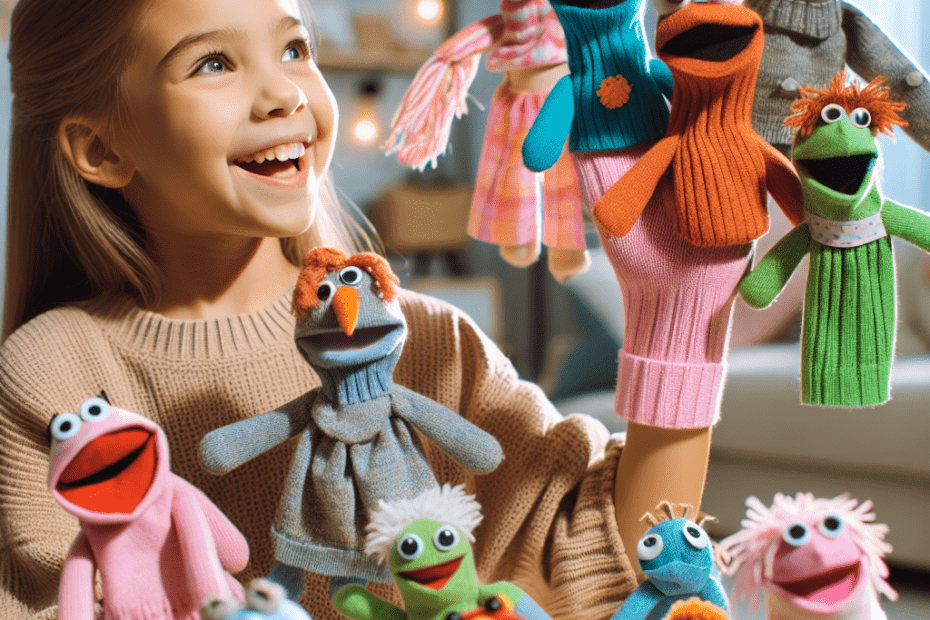
In a world filled with digital gadgets and animated screens, parents and educators constantly seek ways to engage children in more hands-on, creative activities. One simple yet fantastic option is creating DIY sock puppets. Not only is this activity cost-effective and environmentally friendly, but it also helps in boosting a child’s creativity, fine motor skills, and storytelling abilities. As per a 2022 survey conducted by the Children’s Craft Association, 68% of parents found that DIY crafts like sock puppet projects significantly improved their child’s engagement and creativity at home (Source: Children’s Craft Association).
Why Choose DIY Sock Puppets?
Parents and teachers often wonder why DIY sock puppets are such a valuable craft project. The answer is simple: they stimulate creativity and imaginative play. By transforming old socks and a variety of household items into a vibrant character, children learn to reimagine the mundane and develop an inventive mindset.
Materials Needed for DIY Sock Puppets
Creating a sock puppet doesn’t require much. Here’s a list of basic materials needed for most projects:
- Old socks (various colors)
- Craft glue or fabric glue
- Googly eyes or buttons
- Colorful yarn for hair
- Fabric markers or paint
- Scissors
- Felt or fabric scraps for decorations
Step-by-Step Tutorial for a Basic DIY Sock Puppet
Creating a basic sock puppet is simple and can be broken down into a few easy steps:
- Slide your hand into the sock and position it so that the toe of the sock forms the puppet’s head and the heel is the chin.
- Glue the googly eyes or sew buttons onto the sock to form the eyes.
- Attach colorful yarn to the top for hair using glue.
- Use fabric markers or paint to draw a mouth, nose, or any other facial features.
- Cut out felt shapes and glue them for clothing accessories such as a tie or bow.
Advanced Sock Puppet Projects
For those looking to get more elaborate with their sock puppet projects, consider using different kinds of socks—like striped, patterned, or fuzzy socks—to create unique characters. Add in props using recycled materials. For example, turning an old spoon into a guitar or using feathers to make a bird puppet.
| Type of Sock Puppet | Materials Required | Difficulty Level |
|---|---|---|
| Animal Puppet | Socks, felt, pipe cleaners, googly eyes | Medium |
| Famous Character Puppet | Socks, fabric paint, buttons, cloth scraps | Advanced |
| Monster Puppet | Fuzzy socks, fabric glue, yarn, felt | Easy |
Engaging Children with DIY Sock Puppet Shows
Once the puppets are complete, it’s time to let the fun continue with puppet shows. Encourage children to write a simple script or come up with a storyline to act out with their puppets. Not only does this enhance their narrative skills, but it also fosters cooperation if they work in groups.
Environmental Benefits of DIY Sock Puppets
Recycling old socks into puppets rather than discarding them is a great way to teach children about sustainability. According to a report by the Environmental Protection Agency, millions of tons of textile waste are generated annually, and small individual actions like upcycling can significantly reduce this waste (Source: EPA).
Key Takeaways
- DIY sock puppets enhance creativity and storytelling skills.
- Most materials needed for sock puppet projects can be found at home.
- Puppet shows involving these crafts can improve social skills.
- Engaging in DIY sock puppet projects teaches children about sustainability.
FAQ
- What are the essential materials for making a sock puppet?
Old socks, glue, googly eyes or buttons, yarn, and fabric markers are some basic materials.
- At what age can children start making DIY sock puppets?
Children as young as four can partake in supervised sock puppet projects but creativity flourishes from ages six and up.
- Are there any safety concerns?
Always supervise the use of scissors and glue, ensuring they are age-appropriate for children.
- Can sock puppets be used in educational settings?
Yes, they can be used to demonstrate storytelling, improve narrative skills, and facilitate group activities.
- What is the environmental impact of sock puppet projects?
They promote upcycling and help reduce textile waste by repurposing old socks into new creations.
“`