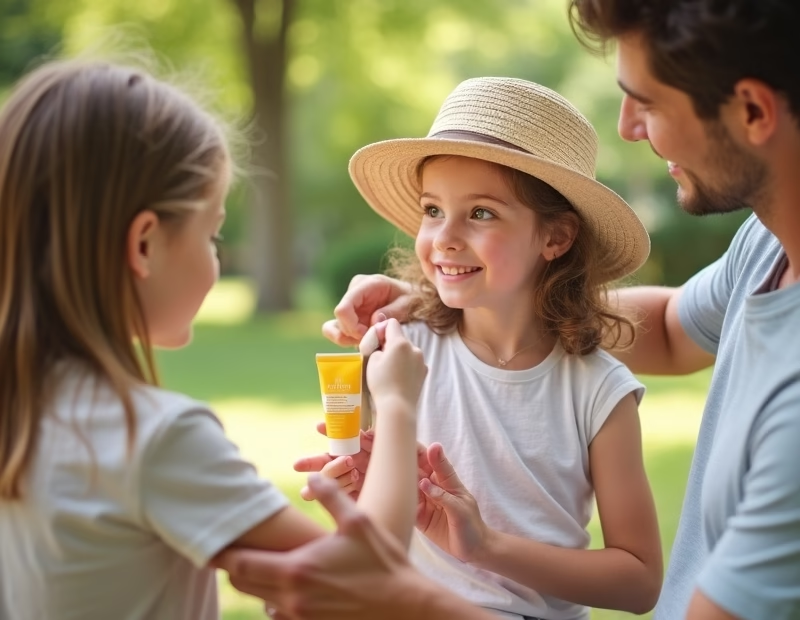
For simple sun safety for kids, dress your child in lightweight covering clothes, use a hat and shade when you can, apply sunscreen to exposed skin before going outside, and reapply after swimming, heavy sweating, or longer time outdoors. Keep the routine small enough that you can actually use it consistently.
Start with the simplest rule: build a small routine
When parents feel overwhelmed by skin protection advice, it usually helps to step back and focus on a short routine that works in real life. You do not need a perfect system. You need one that fits school runs, playground time, family walks, and weekends outside.
A good everyday routine for children aged 3 to 6 often looks like this:
- Choose light, comfortable clothes that cover the shoulders and upper legs when practical.
- Add a wide-brim hat or a cap that your child will actually keep on.
- Use shade during the brightest part of the day when possible.
- Apply sunscreen to exposed skin before you head out.
- Reapply if your child has been outside for a while, has been in water, or is very sweaty.
If you can only manage some of these steps on a busy day, that is still useful. Consistency matters more than doing everything perfectly every time.
What matters most for sun safety for kids
It can help to think in layers. Sunscreen is useful, but it works best as one part of a wider routine rather than the only step.
1. Clothing does a lot of the work
For active children, clothes are often the easiest form of protection because they do not wash off, drip into eyes, or need careful spreading every hour. A loose T-shirt, longer shorts, and a sun hat can go a long way.
If your child is happy in lightweight long sleeves on very sunny days, that can be helpful too. The key is comfort. If clothing feels too hot or restrictive, children are more likely to resist it.
2. Shade helps without adding effort
Shade is simple and underrated. At the park, this might mean choosing a bench under a tree instead of the middle of an open field. At the beach, it could mean taking snack and drink breaks under an umbrella or shelter. On a family outing, it may be as simple as planning a pause indoors.
Shade is especially useful when children are playing for long stretches and you know sunscreen reapplication may be difficult.
3. Sunscreen is for exposed skin
Sunscreen is most helpful on the skin that clothing and shade do not protect well, such as the face, ears, neck, hands, arms, lower legs, and feet if sandals are worn. A generous, even layer matters. Missing small areas is common, especially around the ears, nose, tops of feet, and back of the neck.
If your child dislikes sunscreen, it can help to keep the process short and predictable. Apply it in the same order each time, use a mirror for face application if that makes it feel less uncomfortable, and let your child help with easy areas like arms or legs.
A practical step-by-step routine for busy parents
Before leaving the house
Try this simple order:
- Get dressed first.
- Put on the hat and shoes.
- Apply sunscreen to exposed skin.
- Pack water, and if you will be out for a while, bring the sunscreen with you.
Doing sunscreen after dressing helps you see exactly which skin still needs covering. It also avoids putting sunscreen on areas that will be fully covered by clothes.
At nursery, preschool, or on the school run
Many parents need a routine that takes two minutes, not twenty. On those days, focus on exposed skin and a hat. If your child will spend time outdoors later, think ahead about what staff policies are for sunscreen and hats so you are not relying on guesswork.
At the park or playground
Playgrounds often have a mix of shade and open sun. If possible, start in the more exposed area for a shorter burst of play, then move to a shaded area for a snack or drink break. That natural pause is also a good time to check whether your child needs more sunscreen.
At the beach, pool, or splash park
These settings usually need the most planning because water and towelling can reduce how long sunscreen stays on the skin. Bring a hat, a dry top or cover-up, water, and a simple bag setup so reapplication is easy rather than stressful.
Children often get distracted and impatient once they are wet and sandy, so this is one of the few times where making the routine very short really matters. Dry the skin quickly, reapply to exposed areas, and move on.
How to keep sunscreen from becoming a battle
Many children between 3 and 6 dislike the feeling, smell, or interruption. That is normal. A few small changes can make the process smoother.
- Give a warning before applying: “Sunscreen, then shoes, then we go.”
- Use the same routine each time so your child knows what to expect.
- Let them choose between two acceptable options, such as hat first or sunscreen first.
- Keep face application calm and brief.
- Praise cooperation without turning it into a struggle.
It is also worth checking that the product itself is not part of the problem. If your child complains that sunscreen stings, especially around the eyes, a different texture or application style may be easier for them. A child who tolerates one product poorly may still do fine with another.
Common places parents forget
Even careful parents miss the same spots again and again. Before you leave home, do a quick scan for:
- Ears
- Back of the neck
- Tops of shoulders
- Nose and cheeks
- Tops of feet
- Hands
- Part line on the scalp if hair is thin or parted
If your child wears sandals, swimwear, or a sleeveless top, those missed areas matter more.
When you do not need to overthink it
Not every day needs the same level of planning. A quick walk from the car, a short school pickup, or a mostly indoor day is different from a long outdoor birthday party or an afternoon at the pool. Matching the routine to the day helps families stay consistent without feeling drained by it.
You might think of it this way:
- Low-effort day: short outdoor time, mostly covered clothing, hat, simple sunscreen on exposed areas.
- Higher-care day: longer outdoor play, less covering clothing, water play, regular shade breaks, and reapplication.
This is often more realistic than trying to use the same full routine every single day.
Helpful habits that make skin protection easier
Children do well with predictable routines, and skin protection is no different. Try attaching it to something that already happens.
- Sunscreen after teeth and getting dressed
- Hat on before shoes
- Water break and skin check during snack time
- Reapply before going back outside after lunch
If you like visual routines, a simple family checklist can help. You can explore practical family resources and printables in the tools and printables section if that kind of support makes daily habits easier in your home.
What to watch for after time in the sun
Most mild sun exposure issues improve with rest, fluids, cool comfort measures, and time indoors. What matters most is noticing when your child seems more uncomfortable than expected, unusually tired, or generally unwell after being in the heat or sun.
Pay attention to how your child is acting overall. A child who is still playing, drinking, and settling well may just need a cooler environment and a calm evening. A child who seems much more distressed or physically unwell needs closer attention.
Red flags: when to seek medical advice
It is a good idea to contact a medical professional promptly if your child has:
- Extensive or painful sunburn
- Blistering skin
- Fever, marked lethargy, or unusual sleepiness after sun exposure
- Vomiting
- Signs of dehydration, such as very little urine, a very dry mouth, or not drinking well
- Confusion, fainting, or trouble waking
- Worsening pain or skin changes that concern you
If your child seems seriously unwell, seek urgent medical care. Parents know when something feels outside the normal range for their child, and it is always reasonable to ask for help.
Keeping the approach age-appropriate for 3- to 6-year-olds
Preschool and early school-age children are active, distractible, and often not aware of their own limits in heat and sun. They may resist hats, forget to drink, or want to keep playing long after they need a break. That means adult planning matters more than expecting the child to manage it alone.
At this age, the goal is not teaching perfect self-management. It is building simple habits they can gradually recognise: hat on outside, water at breaks, shade when resting, sunscreen before longer play.
If you want more everyday child-care routines, the wider Health & Safety section and the practical guides on baby and toddler care may also be useful, especially if you are managing routines for more than one child.
A note on resources for parents
Some parents like having one reliable family reference at home for common early childhood questions. If that is helpful for you, Mayo Clinic Guide to Your Baby’s First Years can be a useful general parenting resource to keep on hand, especially for broader care questions in the early years. It is not necessary for daily sun safety, but some families like having a trusted guide nearby.
Keep it simple enough to use
The best skin protection routine is usually the one you can repeat without stress. If your plan is too complicated, it becomes harder to stick to. A hat by the door, sunscreen near the shoes, and a habit of choosing shade for breaks will often do more for your family than a perfect plan you cannot maintain.
Sun safety for kids works best when it feels normal, calm, and doable. That is what makes it part of family life rather than another thing to worry about.
If you are looking for more practical parenting support, you can also browse the main Zadjecu.net home page for related guides.
If simple routines help your family, take a look at the tools and printables section for practical support you can use at home. A small checklist or reminder can make outdoor days feel much easier.
FAQ
Do I need sunscreen every time my child goes outside?
Not every outdoor moment needs the same approach. For short or mostly covered outings, clothing, a hat, and shade may do a lot of the work. For longer outdoor time or exposed skin, sunscreen is a practical extra layer.
What is the easiest way to make sun safety part of our routine?
Link it to things you already do: get dressed, put on the hat, apply sunscreen to exposed skin, then leave. Keeping sunscreen near shoes or the front door can help.
My child hates sunscreen. What should I do?
Keep the routine short and predictable. Let your child know what comes next, offer a small choice when possible, and apply it in the same order each time. If the product stings or feels unpleasant, trying a different one may help.
What parts of the body are most often missed?
Commonly missed areas include the ears, back of the neck, nose, tops of shoulders, hands, tops of feet, and the scalp part line if hair is thin or parted.
When should I call a doctor after sun exposure?
Seek medical advice if your child has extensive or painful sunburn, blistering, vomiting, fever, unusual sleepiness, dehydration signs, or seems more unwell than you would expect. If your child seems seriously ill, get urgent medical help.
Sun safety for kids can stay simple: cover what you can, use shade, apply sunscreen to exposed skin, and reapply when needed. A calm routine that fits real family life is usually more helpful than a complicated plan you cannot keep up with.
If something about your child’s skin or general condition worries you after time in the sun, trust your instincts and get medical advice. Small, steady habits are often enough to protect skin without overcomplicating it.
This article is for general information and does not replace medical advice. If your child has severe sunburn, blistering, dehydration symptoms, or seems unwell after sun exposure, contact a medical professional promptly.