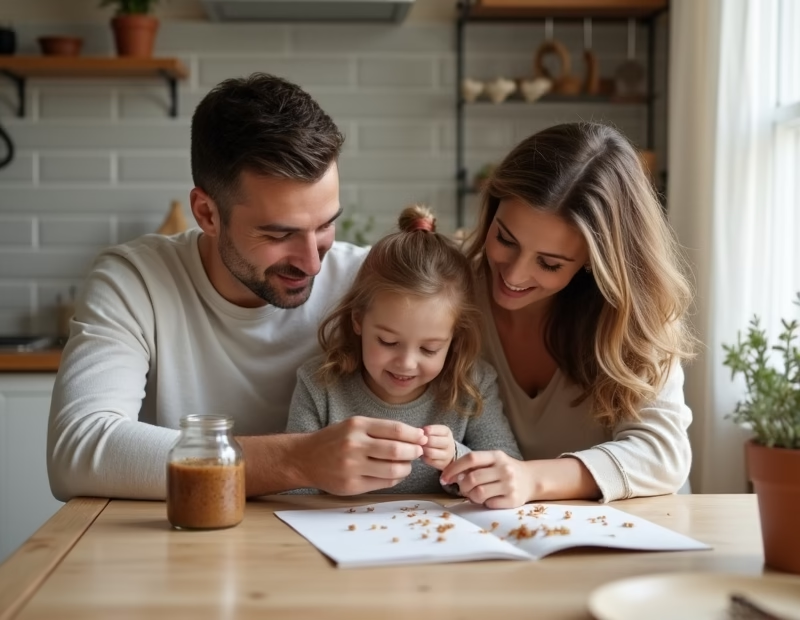
Teaching gratitude to kids works best through small daily habits such as naming one good thing at dinner, thanking people for specific actions, helping children notice effort, and modelling appreciation at home. Keep it simple, regular, and genuine rather than forced.
Why gratitude habits matter for children aged 8 to 10
Children in this age group are old enough to think beyond the immediate moment, but they still learn best from routines, examples, and concrete language. That makes this a good stage for building gratitude into family life in ways that feel natural.
Gratitude helps children slow down and notice what often gets missed: someone sharing with them, a parent making dinner, a friend including them, or a teacher taking extra time to explain something. It also helps children move from a quick automatic “thanks” to a more meaningful understanding of what someone else did and why it mattered.
If you are focused on child development, gratitude can be one part of helping your child build empathy, perspective, and everyday social awareness. It does not need to be heavy or formal. Small habits are often the most effective.
What teaching gratitude to kids really looks like
Many parents worry that gratitude can start to feel forced. That usually happens when children are told what to feel instead of being guided to notice and reflect.
Teaching gratitude to kids is less about making them say the right words and more about helping them connect actions, people, and feelings. For example, instead of saying, “Say thank you,” you might say, “Grandpa spent time fixing your bike. What would you like to say to him?”
This small shift gives children a chance to think. Over time, they begin to see gratitude as something real, not just a rule.
Keep these goals in mind
- Help your child notice what others do.
- Encourage specific appreciation rather than vague manners.
- Create regular moments to reflect.
- Model gratitude in your own words and actions.
- Avoid guilt, pressure, or comparisons.
Easy daily gratitude habits for families
The best gratitude routines are short enough to repeat. Here are practical options that fit into normal family life.
1. Use a one-minute gratitude check-in
Pick one regular moment each day, such as dinner, bedtime, or the car ride home. Ask each family member one simple question:
- What is one thing you appreciated today?
- Who helped you today?
- What made your day easier or nicer?
Keep it brief. The point is consistency, not a long discussion. If your child says, “I don’t know,” offer gentle prompts: “Did anyone help you at school?” or “Was there one part of the day that felt good?”
2. Teach children to be specific
Specific gratitude is more meaningful than automatic politeness. Instead of only saying, “Thank you,” encourage your child to say what they are thankful for.
Examples:
- “Thanks for waiting for me at the gate.”
- “Thank you for helping me with my homework when I got stuck.”
- “Thanks for saving me the last pancake.”
This helps children connect gratitude to real actions and real effort.
3. Notice everyday comforts
Children often think gratitude only applies to gifts or special treats. Help them widen their view by noticing ordinary things: a warm meal, clean clothes, a quiet reading corner, a safe ride home, or time together.
You might say, “I am grateful we had time to sit together tonight,” or “I appreciate having dry shoes after all that rain.” These small examples teach children that gratitude belongs in normal life, not just special moments.
4. Add gratitude to bedtime in a calm way
Bedtime can work well for children aged 8 to 10 because the day is ending and their minds are often ready to reflect. Keep it gentle:
- One person I appreciated today was…
- One thing that went better than I expected was…
- One small thing I want to remember from today is…
If your child has had a hard day, do not force a cheerful answer. You can simply say, “Today felt tough. Is there one small thing that helped?”
Weekly habits that make gratitude feel real
Daily check-ins are useful, but weekly family habits can deepen the practice and stop it from becoming repetitive.
Write one message of appreciation each week
Ask your child to write a short note, text with your help, or small card for someone they appreciate. It could be a grandparent, teacher, coach, sibling, or friend.
Keep the format simple:
- What the person did
- Why it mattered
- How it made your child feel
For example: “Thank you for helping me practise my reading. I felt more confident at school this week.”
Create a family gratitude jar
Put slips of paper and a jar in an easy place. During the week, family members can add short notes about moments they appreciated. Read a few at the end of the week.
This works well for children who do not always want to talk on the spot. It also helps families notice patterns, such as appreciating acts of kindness, teamwork, humour, or patience.
If your child enjoys hands-on activities, you may also find helpful ideas in these learning activities for making reflection more engaging.
Choose one family kindness habit
Gratitude grows when children also practise giving. Each week, choose one small act of kindness as a family:
- Set the table without being asked
- Help a younger sibling with a game
- Call a relative to check in
- Leave a kind note for someone in the house
Afterward, talk about how the action affected someone else. This links gratitude with empathy and responsibility.
How to model gratitude without sounding forced
Children notice what adults repeat. If you want gratitude to become part of family life, let your child hear how you express it naturally.
Use real, everyday language
You do not need formal phrases. Simple language is often best:
- “I appreciated your help carrying the bags.”
- “It meant a lot that you waited for me.”
- “I am thankful we had a calmer morning today.”
When children hear genuine appreciation, they learn how it sounds and when it fits.
Let your child see you thank others
Say thank you to your partner, neighbours, teachers, delivery workers, relatives, and your child. Do it respectfully and specifically. This shows that gratitude is not something adults demand from children while forgetting to practise it themselves.
Avoid using gratitude to shut down feelings
This is an important point. If your child is disappointed, upset, or frustrated, avoid saying things like, “You should be grateful” in a way that dismisses their feelings. Children can be grateful and still have a hard moment.
A better response is: “I know you’re disappointed. We can talk about that. And later we can also think about what still helped today.” This keeps gratitude supportive instead of controlling.
Practical phrases parents can use today
If you want to start immediately, these simple prompts can help.
At the table
- “What is one thing someone did for you today?”
- “What made today easier?”
- “Who would you like to thank today, and why?”
After school
- “Did anyone help you when something felt hard?”
- “Was there a moment that made you feel included or cared for?”
- “What is one good thing you want to remember from today?”
During a difficult moment
- “This is frustrating. Do you want help noticing one thing that is still going okay?”
- “Let’s name the hard part first, then one thing that helped.”
Common mistakes that make gratitude backfire
Even with good intentions, some approaches can make children resist.
Too much pressure
If every moment becomes a lesson, children may stop responding honestly. Keep gratitude light and woven into normal life.
Expecting perfect manners to mean real gratitude
A child may say the right words without really understanding them yet. That is normal. Keep teaching the meaning behind the words.
Comparing siblings
Avoid saying things like, “Your sister is always more thankful.” Comparison usually creates shame, not growth.
Using guilt
Phrases such as “You should feel lucky” or “Other children have less” may silence your child rather than help them reflect. Perspective matters, but guilt is not a strong foundation for genuine appreciation.
A simple 7-day gratitude plan for families
If you want a clear starting point, try this one-week plan.
Day 1
At dinner, each person shares one thing they appreciated that day.
Day 2
Ask your child to thank someone for one specific action.
Day 3
Notice one everyday comfort together, such as a meal, a warm bed, or time outdoors.
Day 4
Write one short appreciation note.
Day 5
Do one helpful act for another family member.
Day 6
Put two notes into a gratitude jar.
Day 7
Read the notes together and talk about which habits felt easiest to keep.
If your family likes printable prompts, you can browse the tools and printables section for simple resources that make routines easier to stick with.
When a child resists gratitude activities
Some children enjoy talking. Others do not. If your child rolls their eyes, gives one-word answers, or seems uncomfortable, that does not mean the idea is failing.
Try adjusting the format:
- Use drawing instead of speaking
- Write answers on slips of paper
- Keep it to one question only
- Join in yourself first
- Choose a different time of day
The goal is not performance. It is practice.
One optional resource for parents
If you like having a trusted parenting reference at home, the Mayo Clinic Guide to Your Baby’s First Years can be a useful general resource for family life and early parenting. It is not a gratitude guide, but some parents like having one clear, practical book to turn to alongside everyday routines and reflection habits.
Keep gratitude small, steady, and genuine
Families do not need a complicated system to build appreciation. A few steady habits often work better than a big plan that disappears after a week.
If you want more simple parenting ideas and family routines, you can also explore more guides on Zadjecu. Start with one habit, repeat it often, and let gratitude grow through daily life rather than pressure.
If you want an easy way to make this habit stick, have a look at the tools and printables section for simple prompts you can use at dinner, bedtime, or during the week.
FAQ
How do I start teaching gratitude to kids without forcing it?
Begin with one small routine, such as asking your child to name one thing they appreciated each day. Keep the tone relaxed and model your own answers so it feels natural rather than like a test.
What if my child says thank you but does not seem to mean it?
That is common. Keep helping your child connect gratitude to specific actions by asking what the other person did and why it mattered. Understanding usually grows with practice.
Are gratitude journals a good idea for 8 to 10 year olds?
They can be, especially if your child likes writing or drawing. Short prompts work best, such as one person they appreciated, one helpful moment, or one thing that made the day better.
Can gratitude help if my child complains a lot?
It can help over time, but it should not be used to shut down feelings. Let your child express frustration first, then gently guide them to notice one helpful or positive part of the situation.
How often should families practise gratitude?
Daily is helpful if it stays brief and calm, but even a few times a week can make a difference. Consistency matters more than doing a long activity.
What is the difference between manners and gratitude?
Manners are the social words and actions we use, such as saying thank you. Gratitude is the deeper understanding that someone made an effort, offered help, or added something meaningful to our life.
Teaching gratitude to kids works best when families keep it simple, regular, and real. A short check-in, a specific thank you, or a weekly note of appreciation can gently shape how children notice the people and comforts around them.
You do not need a perfect routine. Choose one practical habit, use it consistently, and let teaching gratitude to kids grow through ordinary moments at home.
None