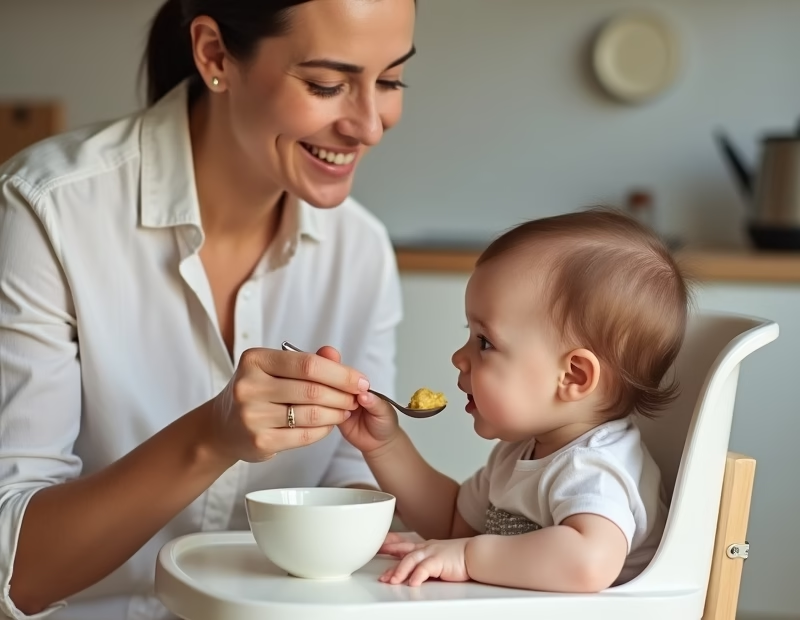
The most helpful starting solids signs are good head control, being able to sit upright with support, showing real interest in food, and being able to swallow small amounts rather than pushing food back out. If you are getting ready to plan first meals, the weekly meal planner can help you keep ideas simple and organised.
What readiness for solids really means
When parents think about first foods, it is easy to focus on age or appetite alone. In practice, readiness is more about how your baby is developing. A baby may seem curious about food before they are truly ready to eat it safely and comfortably.
The main goal at the start is not to replace milk feeds quickly. It is to begin offering small tastes and simple textures when your baby looks developmentally ready. If you want a broader overview of baby routines and feeding stages, the Baby & Toddler section can be a helpful place to browse.
Starting solids signs to look for
1. Your baby can hold their head steady
Good head control matters because it helps your baby stay upright and manage food more safely. If your baby still tends to flop forward or backward when supported in a seated position, it may be a sign to wait a bit longer.
A steady head and neck make it easier for your baby to coordinate swallowing. This is one of the most important starting points.
2. Your baby can sit upright with support
Your baby does not need to sit fully independently at the very start, but they should be able to sit upright with support in a high chair or on a caregiver’s lap. A slumped position makes it harder to swallow well and can make feeding more difficult.
If your baby still folds over to one side or slides down often, they may not be fully ready for solids yet.
3. Your baby is clearly interested in food
Interest in food often looks like watching you eat, leaning forward, opening the mouth when food comes near, or reaching toward your plate or spoon. This kind of curiosity can be one of the more obvious starting solids signs.
That said, interest alone is not enough. Some babies love watching everything adults do, including eating, long before they are ready to join in. It is best to look for interest alongside the physical signs of readiness.
4. Your baby seems able to swallow food
At the start, many babies will spit some food out. That does not always mean something is wrong. They are learning. But if every tiny taste comes straight back out immediately, your baby may still have a stronger tongue-thrust reflex and may need more time.
When babies are getting ready, they begin to move small amounts of food around the mouth and swallow at least some of it instead of automatically pushing it all back out.
5. Your baby reaches for food or opens their mouth for the spoon
This shows active participation. Babies who are ready often want to be part of the feeding process. They may open their mouth as the spoon approaches or grab for soft foods to explore.
This does not mean every meal will go smoothly, but it can be a useful sign that your baby is moving beyond simple curiosity.
Signs that can be easy to misread
Chewing on hands or toys
This is very common in babies and does not automatically mean they are ready for solids. Many babies chew because they are exploring, teething, or simply discovering their hands.
Waking more at night
Changes in sleep can happen for many reasons, including growth, comfort, routine changes, and development. Poor sleep on its own is not a reliable sign that your baby needs solids.
Watching adults eat
This can be a genuine readiness sign, but it can also just mean your baby enjoys faces, movement, and being involved. It is best read together with head control, sitting ability, and swallowing readiness.
Wanting more milk feeds
Some babies go through phases of feeding more often. This does not always mean they are ready for solid food. Milk remains an important part of feeding in the early stages.
What if your baby seems half ready?
Sometimes babies show one or two starting solids signs but not the full picture. For example, a baby may be fascinated by food but still slump when seated. Or they may sit well but push everything back out of the mouth.
In that situation, it is usually reasonable to pause and keep watching. Readiness often becomes much clearer over a short period of time. Waiting a little when signs are mixed can make the first experience easier and calmer for both you and your baby.
How to start once your baby seems ready
Keep the first meals simple
You do not need a complicated plan. Begin with one small meal a day and offer a simple texture your baby can manage. This might be a smooth puree, mashed food, or another age-appropriate soft option depending on how you choose to start.
Offer small amounts and let your baby explore. The early days are about learning, not finishing a portion.
Choose a calm time of day
Try not to start when your baby is overly tired, upset, or extremely hungry. A calm, alert time often works best. This helps your baby focus on the new experience without as much frustration.
Watch your baby’s cues
If your baby leans in, opens their mouth, or reaches for more, you can continue gently. If they turn away, clamp their mouth shut, cry, or become distressed, stop and try another time. Respecting cues helps build a positive feeding experience.
Expect mess and mixed reactions
Some babies love the first try. Others look confused or need repeated gentle exposure. Facial expressions can be dramatic with new tastes and textures, and that is normal. A grimace does not always mean dislike.
Practical tips for parents
- Use a supportive high chair or another safe upright position for feeding.
- Start with a very small amount rather than aiming for a full serving.
- Introduce new foods calmly and one step at a time.
- Keep a simple note of what your baby has tried and how they responded.
- Do not worry if progress feels slow in the beginning.
If you would like an easy way to organise meal ideas and keep track of simple family food plans, this weekly meal planner can make the process feel more manageable.
When it may be better to wait and ask for guidance
There are times when a parent may want a bit more support before starting solids. For example, if your baby cannot stay upright even with support, seems to struggle with swallowing, or feeding attempts feel consistently stressful, it is sensible to speak with your health visitor, paediatrician, or another qualified health professional.
You may also want guidance if your baby has a medical condition, was born early, or has had feeding difficulties already. A calm conversation can help you decide when and how to begin in a way that suits your child.
Making feeding feel less overwhelming
Many parents worry about doing it the right way. In reality, a calm, responsive approach is often more helpful than trying to follow a perfect schedule. Look at your baby’s posture, cues, and interest. Keep the first meals simple. Let learning happen gradually.
If you enjoy having a trusted reference at home, the Mayo Clinic Guide to Your Baby’s First Years can be a useful optional resource for parents who want general baby-care guidance alongside everyday routines.
For more family support and practical articles, you can also explore child development topics or return to the homepage to find related guides.
If you are preparing for first foods, try the weekly meal planner to keep meals simple and reduce decision fatigue. It can help you organise easy ideas while your baby gets used to new tastes and textures.
FAQ
What are the main starting solids signs?
The clearest signs are good head control, being able to sit upright with support, strong interest in food, and being able to swallow small amounts instead of pushing everything back out.
Does watching me eat mean my baby is ready for solids?
Not always. Watching you eat can be part of readiness, but it is best looked at together with physical signs such as steady head control, supported sitting, and swallowing ability.
What if my baby spits food out?
A little spitting out is common at first because eating is a new skill. If every attempt comes straight back out and your baby cannot seem to manage any swallowing, it may help to wait a bit and try again later.
Should I start solids if my baby seems hungrier than usual?
Not based on hunger alone. Babies often have phases when they want more feeds. It is better to look at the full picture of readiness rather than using appetite as the only sign.
What if my baby is interested but cannot sit well yet?
That usually means it is worth waiting a little longer. Safe, supported upright posture is an important part of solids readiness and can make feeding easier and more comfortable.
When should I ask a professional for advice?
Ask for guidance if your baby cannot stay upright with support, seems to have trouble swallowing, has ongoing feeding difficulties, or if you are unsure because of prematurity or another health concern.
Looking for starting solids signs can feel a little confusing at first, but the clearest clues usually come from your baby’s posture, control, interest, and ability to swallow. You do not need to rush. A calm, steady start is often the most helpful one.
If your baby seems close, keep things simple and watch for the full set of starting solids signs rather than one sign alone. And if you want extra support as you plan first meals, the related guide sections and meal planner can help you feel more organised.
This article is for general information only and is not a substitute for medical advice. If you are unsure about your baby’s readiness for solids or have concerns about feeding or swallowing, speak with a qualified health professional.